
Medically reviewed by Jasjit Singh, MD, Assistant Division Chief, Infectious Diseases and Director, CHOC Infection Prevention and Epidemiology at Rady Children’s Health in Orange County
If you’ve seen headlines about a diarrhea-causing parasite spreading through fresh produce, you might be hesitating to serve your child the berries in your fridge. Here’s the reassuring news up front: for most healthy kids, cyclospora infections are uncommon, treatable and go away on their own, and a few simple kitchen habits go a long way.
Dr. Jasjit Singh, an expert in infectious diseases, infection prevention and epidemiology, shared her expertise and answered the questions parents and caregivers want to know, including cyclospora symptoms in kids.
What is cyclospora?
Cyclospora is a tiny parasite that can infect people when they eat food or drink water contaminated with the organism that is usually traced back to an irrigation water source, not something you did wrong at home.
“It is less common than other foodborne illnesses, such as salmonella or E. coli,” Dr. Singh says, and it can be hard to trace to a specific product.
The parasite infects the small intestine, and it takes about a week after exposure for symptoms to show up. That lag is one reason outbreaks make headlines, as cases surface over weeks, not all at once.
As of early July, health officials have reported cases in multiple states, with the largest clusters concentrated in the Midwest. The CDC has said there is currently no evidence of a single nationwide outbreak linking all cases. Small seasonal upticks in cyclospora happen every year between May and August.
What are the symptoms of cyclospora in kids?

Symptoms are the same in children as in adults: watery diarrhea is the hallmark. Some people have no symptoms at all; others experience mild diarrhea or explosive, watery stools.
“In most healthy individuals, the disease will be self-limiting,” Dr. Singh says, meaning it typically resolves on its own. Kids and adults with compromised immune systems may have more severe symptoms that can last weeks or months with a relapsing course, so families of immunocompromised children should be in closer touch with their care team.
One thing worth knowing: routine stool tests don’t detect cyclospora, so if your pediatrician suspects it, they’ll order special testing. Treatment, if needed, is an antibiotic called Bactrim. Learn more about your child’s poop in our Poop Guide.
When should I call my child’s doctor?
Call your pediatrician if your child shows signs of dehydration or unusual sleepiness (lethargy). With any diarrheal illness, dehydration is the main thing Dr. Singh wants parents to watch for:
- Dry mouth
- Crying without tears
- Peeing less often, or urine that’s darker than usual
- Fatigue or low energy
Pediatrician, Urgent Care, or ER? Know where to go.
Which foods are highest risk — and do I need to stop buying produce?
You don’t need to stop buying fresh fruits and vegetables. The foods most often linked to cyclospora contamination are fresh berries, leafy greens and fresh herbs, and those deserve extra attention at the sink, though Dr. Singh notes that because the parasite is hardy, washing may not eliminate the risk completely.
Here’s the perspective she offers worried parents: small numbers of cyclospora cases occur in the U.S. every year, so skipping produce for a few weeks doesn’t meaningfully change your family’s risk, but good produce habits protect you year-round. The nutritional benefits of fresh fruits and vegetables for growing kids far outweigh the small risk of infection. However, it’s a good idea to monitor news reports for any updates on foods that have been recalled or should be thrown away. More on healthy eating habits for your child here.
How do I wash produce to reduce the risk of cyclospora?
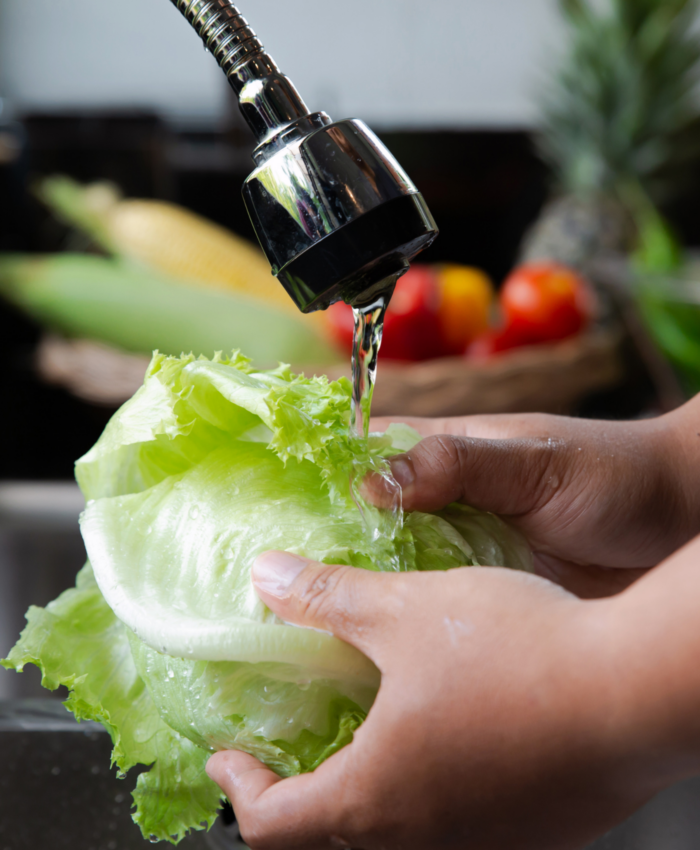
Wash all fresh produce thoroughly under running water before eating — and wash your hands, too. A few extra steps public health officials recommend, especially in areas with increased cases:
- Buy whole heads of lettuce instead of bagged salad mixes.
- Remove the outer 2–3 leaves and discard them.
- Rinse the remaining leaves under running water.
- Wash berries and fresh herbs under running water just before eating.
- Practice good hand hygiene before cooking, before eating and after diaper changes or bathroom trips.
The key takeaway for caregivers
Cyclospora is rare, usually mild in healthy kids and preventable with the same food-safety habits you probably already have. Wash produce, watch for dehydration if your child does get a stomach bug, and call our 24/7 Nurse Line at 1-844-GET CHOC (1-844-438-2462) or your pediatrician if something feels off. You know your child best.
Note: Seek care right away if you see blood in the stool, or your child has severe abdominal pain as those symptoms may point to a different problem entirely and should be addressed immediately. Find a pediatric Emergency Department near you.
Call CHOC’s free 24/7 Nurse Advice Line
Our free nurse helpline is open 24/7 to address questions about your child’s health.