
According to the Centers for Disease Control and Prevention (CDC), more than 40% of school-aged children and adolescents in the U.S. have at least one chronic health condition such as diabetes, obesity, and asthma. There are many different approaches to improve your child’s diet quality to reduce the risk of nutritional deficiencies, growth concerns, and chronic disease. Some may think that improving a diet means “restriction” — however, adding certain nutrients can be just as beneficial.
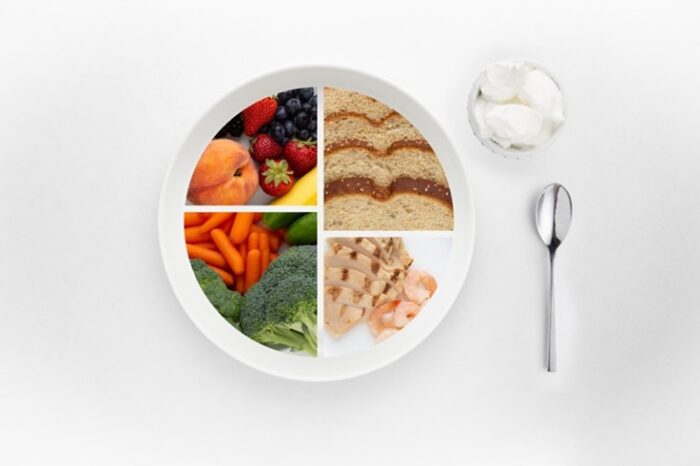
Promote a balanced plate
According to the US Department of Agriculture (USDA) dietary guidelines, it is recommended to include foods from all major food groups to promote a healthy weight, meet nutritional needs, and stabilize energy levels.
- Fruits and Vegetables
- Apples, pears, bananas, broccoli, spinach, zucchini, sweet potato
- Protein (include sources of animal and plant-based protein)
- Eggs, poultry, seafood, red meat, tofu, legumes, nuts, and seeds
- Whole Grains
- Oatmeal, quinoa, brown rice, whole-wheat bread/pasta
- Dairy (or non-dairy alternatives)
- Milk, cheese, yogurt, kefir, fortified plant-based milk
- Fats
- Incorporate healthy fats like olive oil, nuts, seeds, and salmon often. Limit saturated fat (found in foods like butter, cheese, fatty cuts of meat) to <10% of total daily calories.

Increase diversity of fiber
Most children and adolescents in the U.S. consume only about half of their recommended daily fiber intake, which may create challenges such as constipation. Inadequate fiber intake is linked with a poor gut microbiome—the bacteria that live in the gastrointestinal tract—which is closely associated with the immune system, nutrient absorption, and behavioral development.
In general, it is recommended for children to consume 14g fiber per 1,000 calories. A simple and quick way to calculate fiber needs is to take your child’s age and add five (e.g. a five-year-old would need about 10g fiber per day). Talk to your provider about your child’s individual fiber needs.
Examples of boosting fiber:
- Add seeds like flax and chia to homemade muffins or yogurt
- Swap whole wheat flour for refined white flour in baked goods
- Include a side of fruit and/or vegetables with every meal and snack

Monitor added sugar intake
The CDC recommends children under 2 should consume no added sugar, and kids 2-18 should consume no more than 25g, or 6 teaspoons, per day (<10% of total calories). Added sugar is commonly hidden in certain packaged food products such as sauces, yogurts, cereal, granola bars, muffins, etc. Similarly, quality may be sacrificed for taste in food products marketed to children which often includes increased added sugar and fat content.
Below are some tips to decrease added sugar in your child’s diet:
- Swap flavored yogurt for plain and add a drizzle of honey or maple syrup
- Try making homemade granola bars with oats, cinnamon, nut butter, and honey
- Substitute half a serving of sugary cereal with a low-sugar/high-fiber alternative (e.g. bowl with ½ plain Cheerios and ½ Honey-Nut Cheerios)
Put it all together…
Your child’s diet doesn’t have to be overhauled overnight; it can be strengthened through small, consistent choices that build lifelong habits. Encouraging a balanced plate—one that naturally includes colorful fruits and vegetables, whole grains, lean proteins, and healthy fats—helps kids learn what nourishing meals look like. Boosting fiber through foods like berries, beans, and whole‑grain snacks supports digestion and keeps kids fuller longer, while gradually reducing added sugars helps to stabilize their energy levels.
By promoting a balanced plate, increasing fiber, and decreasing added sugar intake, children will not only reap the short-term benefit of feeling satiated, but minimize the long-term risk of developing a health condition. Rather than jumping to restrict your child’s diet, try reframing with the goal of adding more nutrient-dense foods to every snack and meal.
Written by Anna Shull, UCSD dietetic intern at Rady Children’s Hospital Orange County. Reviewed by Christina Wright-Yee., MPH, RD, CSP, dietetic internship coordinator.
These recommendations are in line with general nutrition guidelines. Please consult with your child’s provider to personalize their specific nutrient needs.