It’s important to teach children about healthy, balanced eating when they are young to build a strong foundation as they grow older. Being physically active is also necessary in supporting children’s growth and development.
Setting kids up for success while they are young is fundamental so they can grow up to be strong, healthy adults. Developing good habits can be done together as a family. Here are a few suggestions to consider:
Foster a healthy relationship with food and exercise
Having a balanced approach to eating is necessary for long-term health and wellness, a strategy that also can reduce the risk of various health conditions such as Type 2 diabetes, heart diseases, and disordered eating patterns. You can support the development of a positive mindset by:
Practice what you teach
Children learn from their caregivers, and you can help to encourage smart food choices by serving as a role model during mealtimes.
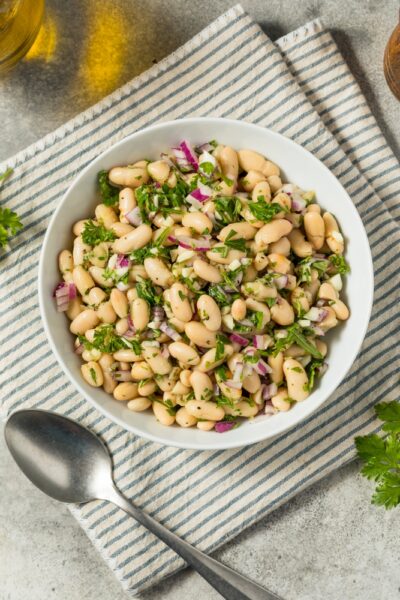
Choose whole foods, snacks, and beverages when grocery shopping and cook more frequently at home
Whole foods look just like they would be in nature with little to no extra ingredients. Examples: fruits, vegetables, eggs, nuts, fish, chicken, turkey, beans, lentils, chickpeas, rice, milk.
Processed foods often have extra ingredients like salt, sugar, fat, and preservatives. They may look very different from their original form and are packaged. Examples: chips, cookies, cereal, sweetened beverages, frozen meals, canned foods.
Involve your children in the process of choosing what foods to make and preparing them at home together. Eat the same balanced meal as your little ones at the dinner table. Limit distractions like phone and tablet screens and focus on eating and conversation by asking about everybody’s day.
Allowing your children to make their own choices and be active participants can boost confidence and self-esteem. The “Division of Responsibility” theory developed by Ellyn Satter focuses on the innate skill that children have as they intuitively eat the appropriate amounts needed for their growth and development.
Caregiver’s role:
- Decide what food is given for meals and snacks
- Create a structured mealtime routine that is enjoyable
- Demonstrate how to behave during meals
- Offer a variety of foods, being mindful that children are still learning about different foods
- Allow children to grow at their own pace
Children’s role:
- Decide how much to eat and whether they eat or not
- Learn to eat the same foods as their caregivers
- Grow in a steady and predictable manner over time
- Learn how to behave properly during meals
For more about raising healthy children who are a joy to feed, read part two of “How to Raise Good Eaters,” in Ellyn Satter’s “Secrets of Feeding a Healthy Family.” For the evidence, read, “The Satter Feeding Dynamics Model.”
Recognizing hunger cues
Ask questions that allow your children to understand how their bodies are feeling, such as:
Do you feel full or do you want a little more food?
What does your body feel like it needs right now?
Are you eating because of hunger or because the food looks tasty?
How does your stomach feel right now?
Am you thirsty or hungry?
Supporting intuitive eating without pressure or rewards
Do not encourage children to “clean your plate” or give food as a reward as it can interfere with the body’s natural ability to determine hunger and fullness. Instead, guide them in listening to how their body feels while eating by saying:
It’s OK to stop eating when you feel full.
If you still feel hungry later, you can have more food when it is offered.
Teaching portion control
Large portion sizes can increase the risk of weight gain and it’s important to learn how much food is correct for your child. Simple visuals for children to determine their portion sizes are:
Meat: A portion about the size of their palm
Fruits & vegetables: One handful for fruits or cut-up vegetables or two handfuls for leafy greens
Grains (rice, pasta, cereal): One serving is the size of their closed fist
Fats: The size of the tip of their thumb
Have processed foods in moderation
It’s important to not completely discourage eating processed foods, as that can lead to an unhealthy relationship with food and greater temptation. Processed foods can be enjoyed in moderation as long as most meals consist of nutritious, whole foods.

Inspiring playful movement
Children are encouraged to be active for at least 60 minutes a day, which can be done while having a blast with the entire family!
Dancing together to everybody’s favorite music or taking a walk together after dinner can be a great opportunity for family bonding. Plan activities that can be done as a group, such as hiking, jump rope, swimming, or sports.
If you are concerned about your child’s eating habits and relationship with food, discuss with your pediatrician if a referral to a pediatric dietitian is needed.