Are all processed foods bad for you? Read on to find out.
Whole vs. Processed Foods
Consuming whole foods such as fresh fruits and vegetables and whole grains is beneficial to children’s health because they contain essential nutrients, vitamins, and minerals.
Processed foods tend to lose nutritional value throughout the manufacturing process, so they are not as nutrient-rich. However, processed foods can be more convenient, budget friendly, and palatable for children, making them OK to offer in moderation.
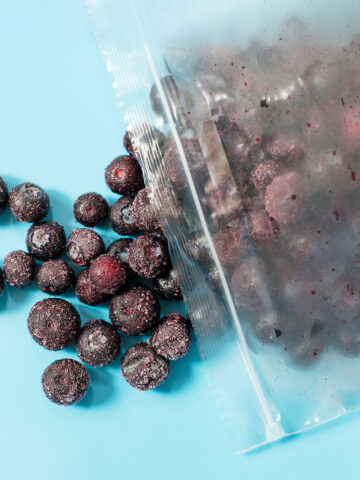
Processed foods such as frozen or canned fruits and vegetables still contain many beneficial nutrients to support overall health despite the manufacturing process. Frozen vegetables such as peas are harvested and frozen at peak ripeness, so they contain the same amount of protein, fiber, antioxidants, and phytochemicals as fresh peas. An additional benefit to frozen and canned items is that they last longer than fresh items, which decreases food waste and saves money.
Nutrients to check for in processed food items
Check the nutrition label on the back of canned items to minimize excess sodium and added sugar.
- Sodium: Salt is commonly added to canned vegetables to preserve and enhance their flavor. This can lead to excess sodium intake if consumed on a consistent basis, which can lead to unfavorable health outcomes such as high blood pressure. There are now many canned items with a “less salt” or “no salt added” version to minimize sodium intake.
- Added sugar: Many fruits are canned in syrups to preserve their color, flavor, and texture. These added sugars increase overall calorie intake and can negatively affect blood sugar levels if eaten frequently. Look for canned fruit items preserved in “100% fruit juice” to prevent excessive added sugar intake.
Sodium and added sugar recommendations
While sodium and added sugar can fit in a balanced diet, it is important to be aware of daily recommendations to prevent consuming too much.
- Sodium for starting at age 14 (lower in younger ages): <2,300 mg/day
- 1 tsp salt = 5000-6000 mg sodium
- 1 salt packet = 300 mg sodium
- A can of green beans with no added salt has 0 g of sodium
- Added sugar starting at age 2: <10% total calories
- ex: 2,000 calorie diet, 200 calories from added sugar (2,000 x 0.1= 200)
- A bottle of apple juice made from 100% juice has 0 g of added sugar
| Age Group (calories/day) | Maximum Grams of Added Sugar |
| Female 4-8 yo (1,200 cal) | 30 g |
| Male 4-8 yo (1,400 cal) | 35 g |
| Female 9-13 yo (1,600 cal) | 40 g |
| Male 9-13 yo | Female 14-18 yo (1,800 cal) | 45 g |
| Male 14-18 yo (2,220 cal) | 55 g |
Processed vs. ultra-processed
It is important to make a distinction between processed and ultra-processed foods. Any food that is not obtained directly from plants or animals and undergoes any alteration following their removal from nature is considered processed. For example, corn that is harvested, cleaned, and then frozen is minimally processed, but it still contains all the nutritional content that it had at the time it was harvested. On the other hand, corn that is harvested, dried, cured, packaged, and then reheated to make popcorn loses most of its nutritional content. This would be considered an ultra-processed food since it underwent one or many manufacturing techniques such as extrusion and moulding and had substances such as salt and oil added to it.

How to maintain a balance of whole food to processed foods
- Buy whole foods when within budget and if it aligns with your lifestyle (busy schedule, kitchen access, cooking skills).
- When buying processed food items, check nutrition label for additives and avoid when possible.
- Work to limit ultra-processed foods such as soda, packaged snacks, sugary cereals, etc.
Written by Abigail Carmona, DTR, Reviewed by Lindsay Rypkema, RD, CSP
References: USDA (2020) Dietary Guidelines for Americans 2020 -2025 Make Every Bite Count With the Dietary Guidelines.