
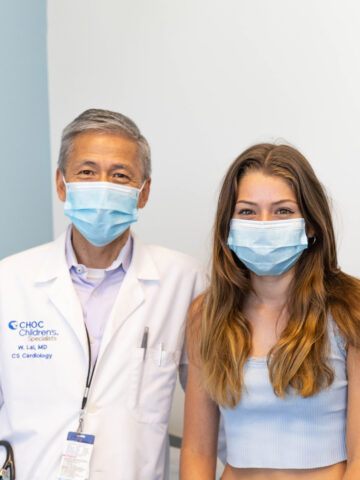
AAOCA, a rare heart condition, caused young athlete Aubrey to suffer from cardiac arrest during exercise. But with expert care from CHOC, she’s back on the field.
Article
Suicide prevention conversation starters for parents of kids and teens

A CHOC expert helps parents start conversations with kids and teens that may be having thoughts of suicide and self-harm.
Are vegetarian and vegan (plant-based) diets safe for kids?
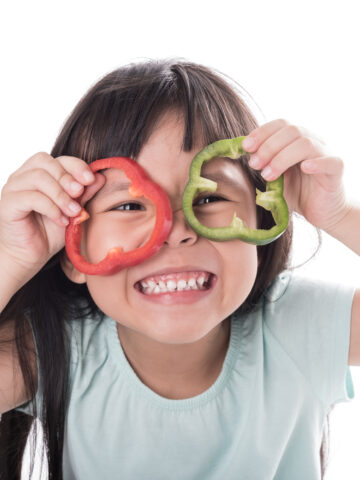
Although many adults can receive proper nutrition from vegan and vegetarian diets, are they safe for kids? A CHOC dietitian weighs in.
Let’s talk about it: Childhood mental illness

A CHOC expert helps parents navigate different scenarios of discussing childhood mental illness and how to offer destigmatizing responses.
What does my child’s cough mean?

A CHOC pediatrician discusses the sounds and signs of common coughs in children and teens, and what to do to help.
Does my child need the bivalent COVID-19 booster?
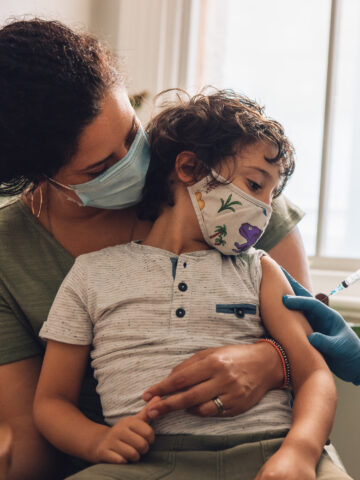
A CHOC pediatrician answers parents’ common questions about the bivalent COVID-19 booster for kids 6 months – 18 years.
How caregivers can promote school success for children with ADHD

Children and teens with ADHD may have challenges when learning in the school environment. A CHOC expert offers tips to parents.
Post-holiday blues: Depression and returning from winter break

For kids, returning back to school after the fun of the holidays can make them feel depressed or sad. A CHOC expert offers ways to help.
Food allergy nutrition 101

A CHOC dietitian helps parents of kids with food allergies read nutrition labels to avoid allergens and ensure proper nutrition.
How to access therapy and mental health support for kids and teens
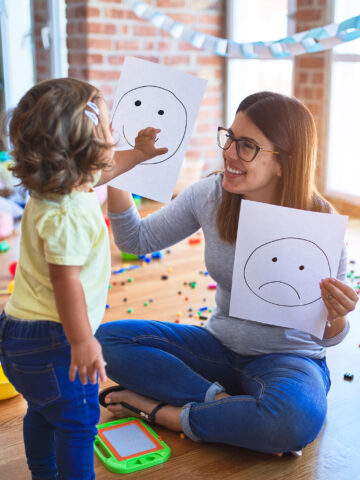
CHOC experts answer frequently asked questions about accessing mental health resources like therapy and counseling for kids and teens.
Practicing gratitude can benefit kids’ mental health

Practicing gratitude with kids can increase desired emotions like joy and contentment while decreasing anxiety and depression.
Healthy holiday traditions for families

CHOC experts offer healthy holiday traditions that families can adopt to benefit their emotional and physical health.