






FEATURED EXPERTS
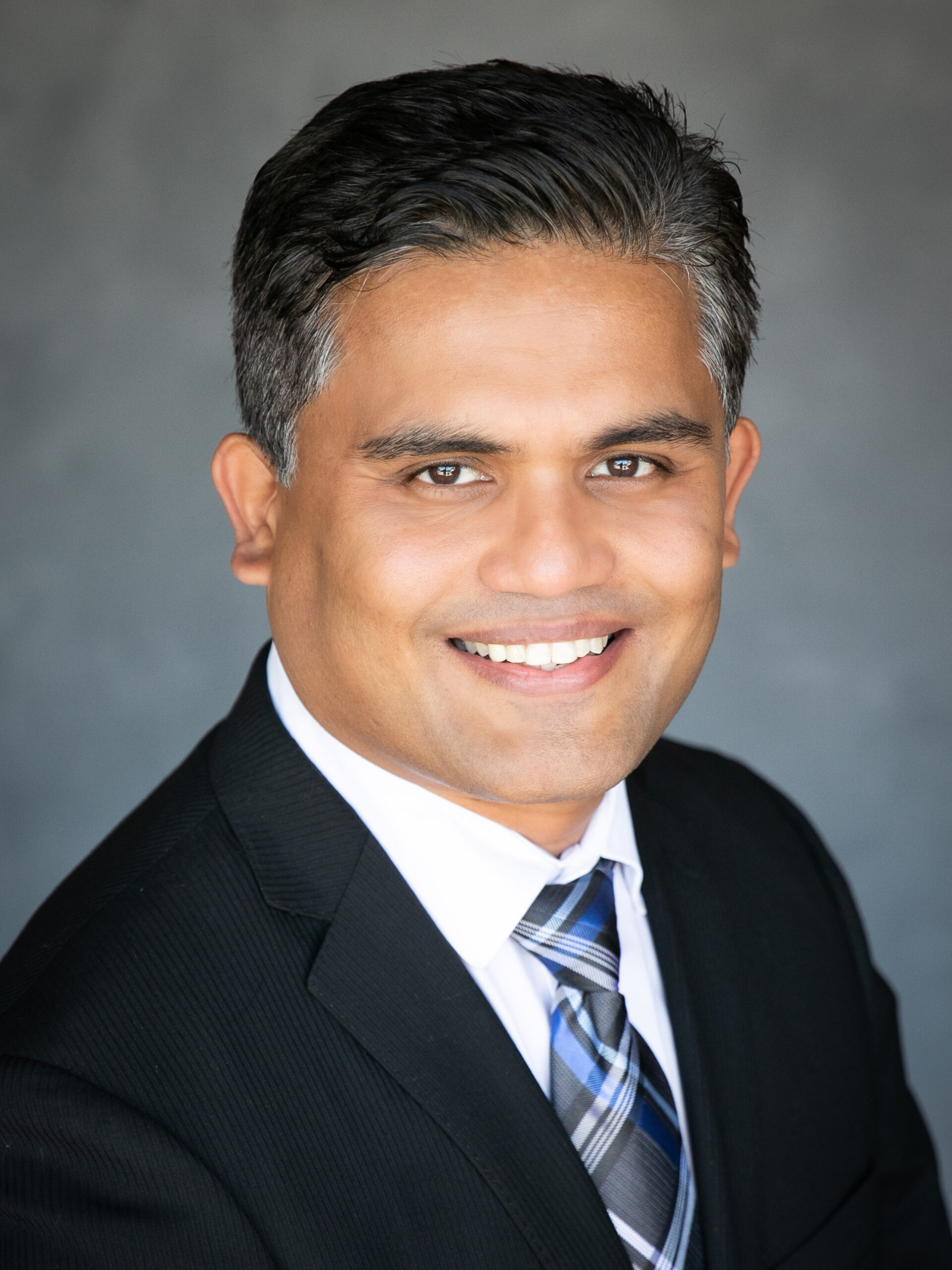
Dr. Ashish Chogle, MD
Dr. Ashish Chogle is a board-certified pediatric gastroenterologist and nationally recognized expert in treating complex gastrointestinal disorders in children. He serves as the Division Chief of Pediatric Gastroenterology and Medical Director at CHOC. Dr. Chogle takes a holistic, patient-centered approach to improving the quality of life for children with chronic GI conditions. His clinical expertise includes functional abdominal pain, irritable bowel syndrome, constipation, cyclic vomiting and motility disorders such as achalasia and gastroparesis. Dr. Chogle chairs the Integrative Medicine Committee for the North American Society.
Kristin Feiler, RDN, LD
Kristin Feiler, RDN, LDN, is a pediatric culinary medicine dietitian at Children’s Hospital of Orange County specializing in pediatric gastroenterology and integrative nutrition care. With more than 14 years of experience, she helps children and families use food as a practical tool to support digestive health and overall wellness. Kristin combines evidence-based nutrition with hands-on culinary education to make healthy eating approachable, realistic, and family-centered. Her expertise includes functional GI disorders, IBS, low-FODMAP nutrition therapy, constipation, reflux, food sensitivities, and pediatric feeding challenges. She also leads culinary medicine programs through cooking demonstrations, teaching kitchen workshops, recipe development, and food-as-medicine initiatives for children and families.
Transcription
Melanie Cole, MS (Host):
Welcome to Long Live Childhood, a pediatric health and wellness podcast presented by Rady Children’s Health. I’m Melanie Cole, and today we’re talking about food, kids, and healing. We’re learning about culinary medicine and how it can help your child.
Joining me is Dr. Ashish Chogle. He’s a board-certified pediatric gastroenterologist, division chief of pediatric gastroenterology, and the medical director at Rady Children’s Health Orange County, and Kristin Feiler. She’s a culinary medicine registered dietitian at Rady Children’s Health Orange County.
Thank you both for joining us today. And Dr. Chogle, I’d like to start with you. For someone that is a gastroenterologist and treating children, how did you end up building a program centered around cooking and food?
Ashish Chogle, MD:
Yes, Melanie. It does sound like an unusual combination, but here is what I have learned: the best ideas do not come from textbooks. They come from our patients. We learn as clinicians every day from them, and year after year in clinic I kept hearing the same thing from families. When a child came in with stomachaches, with constipation or reflux, I have prescribed medications and they do help. But then the families look at you and ask, “Doctor, is there something else that we can do to help our kids,” and the answer has been yes. It is sitting there on your kitchen counter the whole time.
We have been underutilizing one of the most powerful tools in medicine, which is food. Food talks to your brain. Food influences your immune system. Food calms down inflammation or has the potential to rev it up and worsen it. And, you know, to add to that, I like to cook myself and I’m a big foodie. So all these worlds came together to give us the culinary medicine program at Rady Children’s Health of Orange County, and we decided that we are going to meet the families where healing actually happens: not in the exam room, not in their kitchen, but at their table over a meal, and that’s where we want to meet the families.
Melanie Cole, MS:
I couldn’t love that more. As someone who’s been in the field for a very long time, and who also is an avid gardener growing vegetables and cooking, it’s been something I’ve imparted to my kids, and I couldn’t agree with you more. I think what we’re doing now is a paradigm shift: we’re treating the whole person, and we’ve learned over the years that nutrition is medicine, and we’re integrating this more and more into daily practice. I mean, Dr. Chogle, we didn’t even really get nutrition training in medical school back then, but now we’re integrating it into the daily practice of medicine. So Kristin, I’d like you to explain a little bit about what the term culinary medicine means.
Kristin Feiler, RDN, LD:
Absolutely. When you come to a visit, the next step is what we do, right? We take some practical care tips and then expand them into the home. What we’re seeing is that patients and their families are typically handed a list of foods or things that they cannot eat, and that can be very disheartening. As a dietician with much experience, I’ve seen this inpatient and then outpatient. They’re lost and don’t know how to take care of themselves at home.
Culinary medicine bridges that gap: you might be getting excellent care in the hospital, but now we have to translate this into real life at home with lifelong skills that are missing. We’ve missed out on truly integrating foods and natural products that can enhance our health. Culinary medicine teaches patients and their family members what they can eat, how to make themselves feel better, and how to use evidence-based nutrition advice to truly empower them to enjoy food and build connection at home, everywhere out with friends and families, feeling safe and comfortable again. We use evidence-based nutrition: focusing on fiber for gut health, balancing meals for blood sugar, focusing on hydration and electrolytes. All the tips we might cover in the hospital, we make realistic, affordable, practical, and fun, truly integrating patients and their families into their care so they can build autonomy at home and have choices.
Melanie Cole, MS:
One of the things I love that you said is we teach them what they can eat. It’s not all about what you have to eliminate but what you can include, which I think is more inclusive and more uplifting positive reinforcement rather than negative. Dr. Chogle, when we think of culinary medicine and food as medicine, what conditions are we looking at in the pediatric population that this can help? Because we know, as Kristin mentioned, constipation; kids have all kinds of sore tummies; inflammatory bowel disease; food allergies; there’s so much. Tell us about the conditions where you see food helping.
Ashish Chogle, MD:
Food is useful for pretty much any GI condition. We see stomach aches and constipation, reflux, celiac disease, food allergies, inflammatory bowel disease. And one more thing we have to remember is that the gut does not operate alone. The gut brain axis is a direct line of communication between your gut and your brain, so the battles these parents and kids face at the dinner table aren’t just emotionally exhausting they make the medical problem worse. With culinary medicine, we intend to break that cycle of battles at the dinner table by making things easier, empowering families, getting kids at ease with food, and developing a positive relationship with food.
Melanie Cole, MS:
It really develops a lifelong positive relationship with food, which is key. So when we think of your program, Kristin, tell us about the program itself, your team, what families can expect when they come to see you.
Kristin Feiler, RDN, LD:
In our program, utilizing Food as Medicine, we teach parents and their families about how food supports growth and development. We individualize the care process and not only give recipes but explain ingredients and their purpose in health to focus on overall wellness. We bring them back home by teaching actual cooking skills.
We’ve noticed the shift in our world toward convenience people are busier and more stressed. Many parents are dual-income families or lack access to resources or food, struggling with food insecurity. We meet families where they’re at by providing appropriate resources according to need: food banks and healthier recipes accessible there, programs they can join, our recipe bank created for patients, families, community members, and even our staff. We show them how to cook: hands-on cooking skills so they can make items at home. We show different levels from age two and older, involving kids in the kitchen washing, tearing leaves, mixing. It’s a sensory experience: touching a new ingredient can spark interest in trying a new food. That tends to be the biggest battle: children develop fears of foods or haven’t tried certain foods.
We expose not just kids but parents, showing benefits and why it makes sense to try foods in different ways. That food exposure and hands-on experience gets kids excited to try different foods. At events like cooking demonstrations at Pretend City, children try foods they wouldn’t even look at green foods, purple foods, red foods and get excited because their friends are eating them. We make it fun, exciting, hands-on, even a game, and they enjoy it with friends and family.
Ashish Chogle, MD:
And, Melanie, to add to what Kristin has so perfectly said, our long-term vision is that we don’t want culinary medicine confined within hospital walls. We want it everywhere: schools, grocery stores, community centers, every family home. To that end, we’re working with teen advisory groups like ICAN, the International Children’s Advisory Network. What I have learned is if you really want to change how kids eat, you better ask them and listen, because they’ll tell you exactly what works without filters. We’ve learned a lot from them, and we want to be the catalyst for that change.
Melanie Cole, MS:
I hear you when you say get the children involved, Kristin, because it’s something I did as a mom. My kids are in their twenties now, but as a gardener, I had them help me in the garden. They didn’t love the weeding, but once we harvested the vegetables, they were excited to learn to cook them. All of that goes together, and as Dr. Chogle mentioned, the grocery store and all the ways we can bring the family in. Now, Kristin, as I understand it, you’re taking this beyond the hospital. Can you expand on what Dr. Chogle was talking about out in the community?
Kristin Feiler, RDN, LD:
Absolutely. What we’ve realized is that if it’s not realistic, it’s not affordable; if it’s not attainable, it’s not going to work. So we’re tackling real-world problems and our own struggles at home, focusing on showing families how to make meals that are cost-effective, time-saving, simple, tasty, and accessible.
We’re collaborating with schools to teach cooking classes, getting hands-on with patients, family members, and community students; working with Northgate Market; community programs like W.O.W.; formulating a nutrition prescription program to address food insecurity and achieve measurable health outcomes. We also have our own patients at the Abdominal Pain Clinic, developing recipes and collaborating with inpatient providers like IBD and colorectal teams to ensure we create recipes that patients and families can follow at home, cooking alongside us. Bringing them into our kitchen and having them at our table creates a fun, inviting environment because we actually care once they leave home. We want to prevent and manage disease, keep them out of the hospital if possible, and give them tools to feel healthy and thrive.
Melanie Cole, MS:
What an absolutely cool program you’ve developed. I’d like to give each of you a chance for a final thought. Dr. Chogle, what do you want families to take away from this and about your program, and what’s one simple thing families can do today to get started with food as medicine?
Ashish Chogle, MD:
Almost every day I’m asked by parents, “How do we eat? What is a healthy diet?” If you look online, there are so many definitions: fad diets, anti-inflammatory diets, antihistamine diets, gluten-free, dairy-free. It’s very simple, based on our belief in a concept known as back to the roots.
Across cultures and continents through generations, families have kept their children healthy with real food by giving seasonal produce, using traditional recipes, and sharing meals at the table. Our job is to help these families dig back up and go back to the roots to simpler eating. That is my number one recommendation and gift to my patients: knowing the definition of healthy eating when they come to our culinary medicine program or otherwise.
Melanie Cole, MS:
What a great program.
Kristin Feiler, RDN, LD:
Absolutely. There is a time and place for different foods and for balance and moderation and for convenience sometimes. What we’re trying to focus on is empowering families so they don’t feel overwhelmed but feel capable. We want to provide tools to learn how to cook at home fast, easy, and convenient for their schedule because whole foods can be fast, easy, convenient, and more cost-effective.
We teach how to prep ahead of time, maybe even freeze meals; make crockpot meals; bake instead of fry; switch cooking methods to enhance nutritional value; make healthier meals taste better with whole foods. That’s where you find yourself actively building health and treating illness. These tools are the most important because focusing on building long-term habits with children will affect them physically and emotionally and truly change their life.
Those small moments of connection at the table and involving them in their food are the most important tip I can give; it will make the world of difference and build confidence for parents and kids the most wonderful gift of all.
Melanie Cole, MS:
It’s very rewarding, and that was beautifully put. Thank you both so much for joining us today, sharing your expertise, and telling us about the program at Rady Children’s Health. What important, great work you’re doing.
Thank you for tuning in to Long Lived Childhood, a pediatric health and wellness podcast brought to you by Rady Children’s Health. Together we can keep kids happy, healthy, and thriving.
For more information on culinary medicine, please visit choc.org/gastroenterology and search Integrative Health Culinary Medicine.
Wellness on Wheels (WoW, or Salud Móvil) is a mobile, multilingual clinic focused on testing, diagnosing, treating and managing asthma and related health conditions in children. Staffed by a team of CHOC doctors, nurses, licensed clinical social workers, community health workers and patient care representatives, kids and families can build strong, long-term relationships with familiar asthma care providers. Visit our site to learn more about our program.
If you enjoyed today’s episode, please consider downloading, subscribing, rating, and reviewing Long Lived Childhood on Apple Podcasts, iHeartRadio, Spotify, or Pandora. You can also watch our vodcast here.
Thank you so much for listening.