Insights from Dr. Angela Dangvu, pediatrician in the Rady Children’s Health Primary Care Network
Why pediatricians are urging caution with raw milk
Recent cases of E. coli linked to raw milk cheese have sparked renewed conversations about the safety of raw dairy products for children and families. At the same time, the American Academy of Pediatrics (AAP) has reiterated its recommendation that children, teens and pregnant people avoid raw milk and products made from unpasteurized milk.
To help families make informed decisions, Dr. Angela Dangvu explains what parents should know about raw milk, foodborne illness and choosing safe dairy products for their children.
What is raw milk, and how is it different from pasteurized milk?
Dr. Dangvu shared, “Raw milk is unpasteurized. This means it has not gone through the pasteurization process where milk is very briefly heated (but not the point of boiling) and then quickly cooled down. Some people choose to consume raw milk or cheeses thinking they are more nutritious than pasteurized dairy products. However, there is no significant difference in the content of nutrients of pasteurized vs. unpasteurized dairy.”
Pasteurization is a long-established food safety process designed to reduce the risk of harmful germs in milk and dairy products. According to Dr. Dangvu, families do not lose meaningful nutritional benefits by choosing pasteurized dairy products.
Why can raw milk be risky for infants, children and teens?
“Milk is pasteurized in order to kill harmful, bacteria, parasites and even viruses that can find their way into milk from various sources. Young children, pregnant woman and anyone with a weakened immune system is more vulnerable to being affected by these infections,” said Dr. Dangvu.
Children’s developing immune systems can make them more susceptible to serious complications from foodborne illnesses. Pregnant people, infants and individuals with weakened immune systems are also considered higher-risk groups.
What illnesses can children get from germs found in raw milk?
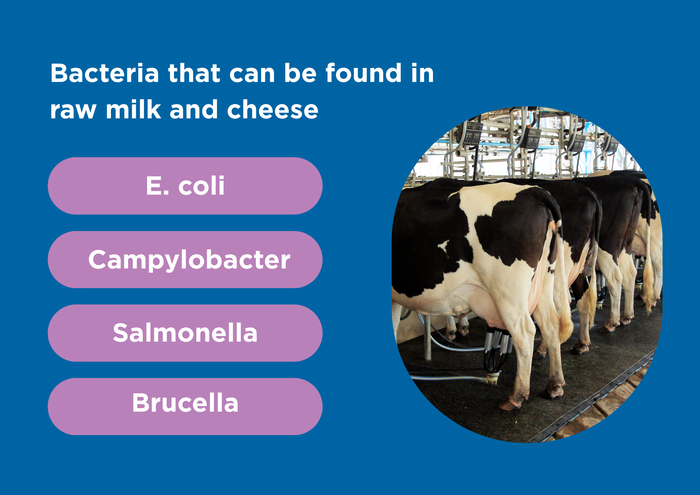
“Children can be sickened by bacteria like E. coli, Campylobacter, Salmonella and Brucella in raw dairy products. These can cause bothersome symptoms like vomiting, diarrhea and fever. Even more concerning is that E. coli can cause an illness called Hemolytic Uremic Syndrome in children. This is a very serious condition that affects the kidneys. It was seen in some of the children in the recent outbreak linked to raw milk cheese,” said Dr. Dangvu. “Pregnant women are also vulnerable to becoming sick due to Listeria infections linked to raw dairy. This can greatly increase their chances of miscarriage or can cause illness in their newborn infant,” she shared.
Most foodborne illnesses cause short-term symptoms such as stomach cramps, vomiting and diarrhea. However, some infections can lead to severe complications. The recent outbreak serves as an important reminder that foodborne pathogens can have serious consequences, especially for children.
What should parents know about the recent E. coli outbreak and food safety?
Recent reports of illnesses linked to raw milk cheese have sparked concern among public health experts. They have also renewed discussion about raw dairy products. While outbreaks linked to contaminated food are relatively uncommon, they highlight the importance of taking steps to reduce preventable risks.
Dr. Dangvu said, “Parents should be making sure their dairy products are all pasteurized to greatly decrease the chances of their family members having a foodborne infection.”
Choosing pasteurized milk, cheese and other dairy products is a simple way to help protect your family. It can reduce the risk of foodborne illness.
How can families choose safer dairy products?
In California, raw milk products are allowed to be sold but are supposed to contain a warning label that discusses the risk of infection. Dr. Dangvu suggests, “Families should look for the word Pasteurized on labels for dairy products.”
When shopping for dairy products, parents can take a few simple precautions:
- Look for the word “pasteurized” on milk, cheese and other dairy products.
- Read labels carefully, especially when purchasing specialty cheeses.
- Be aware that raw milk products may carry warning labels about infection risks.
- Talk with your child’s pediatrician if you have questions about food safety or nutrition.
Keeping kids safe starts with food safety
The recent E. coli outbreak and updated AAP guidance both reinforce the same message: pasteurized dairy products are the safest choice for children and families. There is no significant nutritional advantage to unpasteurized over pasteurized dairy, and raw products can expose children to potentially serious infections.
For most families, choosing pasteurized milk and dairy products is a simple step that can help reduce the risk of foodborne illness and keep children healthy.
For more health and wellness resources from the pediatric experts at CHOC, sign up for the Kids Health newsletter.
Find a CHOC Primary Care Pediatrician
From babies to teens, pediatricians from CHOC’s Primary Care Network partner with parents to offer immunizations, sick visits, sports physicals and more.