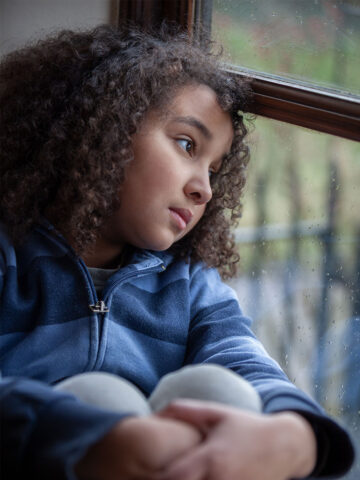
Insights from Dr. Sheila Modir, a licensed clinical psychologist and supervisor of the mental health service line at Rady Children’s Hospital Orange County (Rady Children’s)
Key takeaways
- Trauma and adverse childhood experiences (ACEs) affect kids differently as they grow: Signs of trauma vary by age, from regressions in young children to anxiety, withdrawal, or risky behaviors in teens, making it essential for caregivers to watch for changes from a child’s typical behavior.
- Support starts with the “5 Es”: Exploring what a child knows, explaining events clearly, expressing that emotions are normal, emotionally modeling healthy coping, and ensuring stability help children feel safe and supported after trauma.
- Seek help when symptoms persist: When emotional or behavioral changes interfere with daily functioning, professional mental health support can provide tools for healing and help reduce long‑term impacts of trauma.
How trauma can shape a child’s health and development
Childhood should be a time of safety, growth, and discovery—but for many children, it’s marked by trauma, instability, or neglect. Adverse childhood experiences (ACEs), including abuse, household dysfunction, and other forms of toxic stress, can leave lasting imprints on a child’s physical, emotional, and cognitive development.
As research continues to reveal the deep and long-term impact of ACEs on health and behavior, it becomes increasingly clear that early intervention and trauma-informed care are essential. Here, Dr. Sheila Modir, pediatric psychologist with Rady Children’s, discusses how caregivers, educators, and healthcare professionals can recognize the signs of trauma, understand its effects, and provide the support children need to heal and thrive.
What are the differences between trauma and ACEs?
Trauma is an emotional response to a distressing event, such as a car accident, natural disaster, or the COVID-19 pandemic. While some emotional reactions are short-term, others can persist and impair daily functioning, especially in children.
Adverse childhood experiences, a concept stemming from a major Centers for Disease Control and Prevention (CDC) and Kaiser study, refer to 10 specific types of trauma—including various forms of abuse and neglect—experienced between ages zero and 18. The study revealed that trauma is far more common and widespread across all communities and socioeconomic backgrounds than previously believed, highlighting the importance of recognizing and addressing it.
“You hear about adverse childhood experiences a lot more lately because it’s what the research articles are putting out and it’s what a lot of professionals are doing presentations about and collecting data on,” states Dr. Modir.

What are the signs of trauma and adverse childhood experiences?
Childhood trauma manifests differently depending on a child’s developmental stage. Young children, such as preschoolers, often lack the verbal skills to express their emotions, so trauma may appear as increased crying, tantrums, nightmares, separation anxiety, and regressive behaviors like losing potty training or needing help with eating.
In school-aged children, emotional responses become more complex, including anxiety, sadness, clinginess, trouble sleeping or concentrating, and physical complaints like stomachaches or headaches—often prompting visits to the pediatrician. Teenagers may experience more intense emotional reactions such as depression, anxiety, and loneliness, and may cope through risky or defiant behaviors.
“Your teen might engage in self-harm, use substances, restrict eating, or engage in physical aggression at school. They might isolate and withdraw or sleep too much, or sleep too little. They might be more on edge and irritable,” explains Dr. Modir. “As they go through these developmental stages, you see that trauma does impact them in different ways and elicits different emotional reactions across the developmental lifespan.”
The “5 Es” approach
To help children navigate the emotional aftermath of trauma, Dr. Modir advises that parents use the “Five Es” approach:
- Explore what the child already knows by gently asking questions to understand their perspective and spark conversation.
- Explain the situation using developmentally appropriate language, correcting any misinformation and reassuring the child of their safety.
- Express that all feelings—like sadness, anger, or fear—are normal, while also limiting media exposure and modeling healthy coping strategies.
- Emotionally model by showing children how you manage your own stress, such as taking deep breaths or discussing your emotions openly.
- Ensure stability by maintaining predictable routines and structure, offering children a sense of control and security during uncertain times.
When should parents and caregivers enlist the help of a professional?
Parents should stay attuned to their child’s emotional cues by recognizing what’s typical for them and noticing any changes beyond that baseline. Some signs of distress, like changes in sleep or appetite, can be normal after a transition or traumatic event, such as the loss of a pet. However, if these signs persist over time and begin to interfere with the child’s ability to function socially, academically, or emotionally, it may be time to seek help from a mental health professional.
“It’s really just being aware of those emotional cues your child may present and being able to understand and know if the symptoms are starting to impair their daily functioning,” notes Dr. Modir.
Keep calm and carry on: Advice for parents and caregivers
Adults play a crucial role in helping children cope with trauma by modeling healthy emotional responses. Children often observe and mimic adult behavior, even when it’s not obvious. By staying calm and regulated, parents help their children co-regulate—picking up on and internalizing those emotional cues.
Openly discussing coping strategies as a family not only reinforces these skills but also helps build resilience in children when facing difficult or traumatic events. Dr. Modir also encourages parents and caregivers to never discount the value of professional help.
“Contacting a therapist during difficult times is really important, so we reduce that persistent mental health stigma. Know that talking to a professional when you have gotten to a certain point is an opportunity, not a ‘failure’ of any kind,” she assures. “Helping your child process their feelings is an investment in their future.”
Get more expert health advice delivered to your inbox monthly by subscribing to the KidsHealth newsletter here.
Get mental health resources from CHOC pediatric experts
The mental health team at CHOC curated the following resources on mental health topics common to kids and teens, such as depression, anxiety, suicide prevention and more.