This story is told in the words of Jack’s parents, Brett and Kelsey Elliott
One bite that changed everything
At his first friend’s birthday party, Jack took a bite of cheese pizza.
That sentence may not sound like much. But for our family, it was everything.
For three years, food wasn’t something we celebrated. It was something we feared. Birthdays, holidays, playdates—so many moments centered on eating—became reminders of what Jack couldn’t do. While other kids gathered around tables, we quietly stepped away, bottle in hand, hoping no one noticed. Wondering what kind of life our son was going to have.
There were nights we cried ourselves to sleep asking the same question:
Will this ever change?
The beginning of the fight
Jack was born with a rare congenital condition called annular pancreas, where pancreatic tissue wraps around part of the small intestine, narrowing it and preventing food from passing normally.
From the very beginning, something wasn’t right.
In his first months of life, Jack could barely keep an ounce of milk down. He vomited five to ten times a day. Feeding him felt like hurting him—and yet not feeding him wasn’t an option. We measured ounces, watched his face, and braced ourselves for what felt inevitable. Our days revolved around trying to nourish him and fearing the pain that followed.
After countless tests and procedures, doctors told us Jack needed major intestinal surgery. He was just eight months old.
The surgery was done at an adult hospital.
Jack spent a week there in intense pain, surrounded by adults in late stages of disease. It was terrifying for him—and for us. Five days after we brought him home, his symptoms returned.
We felt completely helpless.
When answers still didn’t come
As Jack grew, the struggle didn’t ease. By 18 months, he still couldn’t tolerate solid foods. Even small amounts of specialized formula made him vomit. He cried when he swallowed. He pulled away from food as if it were something dangerous—because to him, it was.
We were running out of explanations. And hope.
Finally, Jack was referred to Rady Children’s Health.
For the first time, it felt like someone truly saw our child—not just his diagnosis, but his pain.
Doctors discovered that Jack’s esophagus was severely inflamed. They sat us down and explained what swallowing felt like for him.
They told us that every time Jack tried to eat or drink, it would feel like tiny knives cutting his throat.
Hearing that shattered us.
Suddenly, everything made sense—the fear in his eyes, the crying, the refusal, the way his body tensed the moment food came near his mouth. He wasn’t being stubborn. He wasn’t “behind.” He was protecting himself from pain.
Jack was diagnosed with eosinophilic esophagitis (EoE), a condition where the immune system attacks the esophagus, making swallowing painful and eating something to fear rather than enjoy.
He began treatment, including biweekly injections. Slowly we started to see improvements. His body started to heal.
But the damage wasn’t only physical.
Learning to trust again
By the time Jack’s EoE was under control, food had already taught him one lesson: it hurts.
Feeding disorders don’t get talked about enough. They don’t disappear when the medical issue improves. They invade every hour of your day. They shape how you leave the house, how you travel, how you celebrate milestones. For three years, our entire world revolved around getting Jack to eat, to gain weight, to avoid a feeding tube.
Then came the Inpatient Multidisciplinary Feeding Program at Rady Children’s Hospital Orange County.
For three weeks, Jack and his mom lived in the hospital. Every day, a dedicated team of therapists worked with him—slowly, patiently—helping him rebuild something most children never have to think about: trust.
Trust that food wouldn’t hurt him.
Trust that his body was safe.
Trust that he could try.
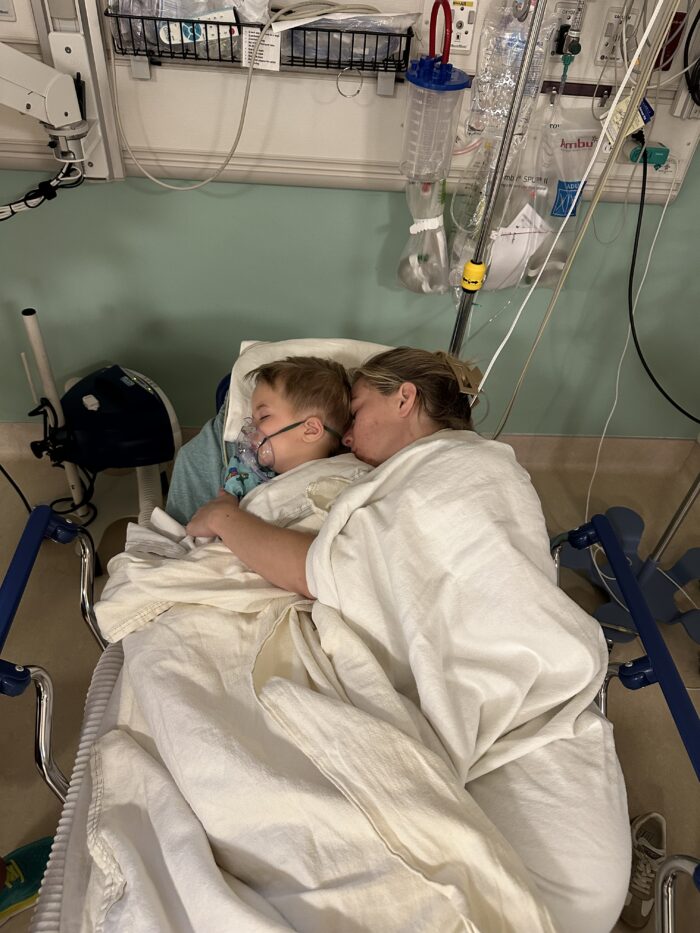
Jack is a fighter. Every scar on his body tells a story of resilience. And alongside him, we fought too—through fear, exhaustion, and uncertainty. And eventually, through gratitude—for the doctors, nurses, and therapists who entered his world with compassion and care, knowing they had the power to shape it.
A place that protected his childhood
Before Rady Children’s, hospitals terrified Jack.
He would cry, “No hospital, Daddy. Mommy, no hurt.”
At Rady Children’s, something shifted.
The walls were brighter. The staff spoke to him, not over him. We noticed jackets that said “Defenders of Childhood.” And we remember thinking—yes. That’s exactly what he needs. A place that doesn’t just treat his body, but protects his childhood.
Every morning at 11 a.m., music therapist Meagan Moore came to see Jack. He waited for her. He danced. He laughed. He clung to her leg with joy.
In the hardest weeks of our lives, those moments mattered more than anyone could know.
A bite of pizza
Today, Jack is trying new foods.
It’s still scary. Every step forward carries the weight of everything he’s been through. But we’re no longer just surviving.
And that bite of pizza?
It wasn’t about food.
It was about courage.
It was about healing.
It was proof that his life could be bigger than his diagnosis.
Looking forward
With Rady Children’s—across both Orange County and San Diego—working together, we see hope not just for Jack, but for families like ours. When leading children’s hospitals share a mission, they change what’s possible.
We dream about Jack’s future now.
About research that keeps moving forward. About a life where eating isn’t a battle. About the kind of person he might become.
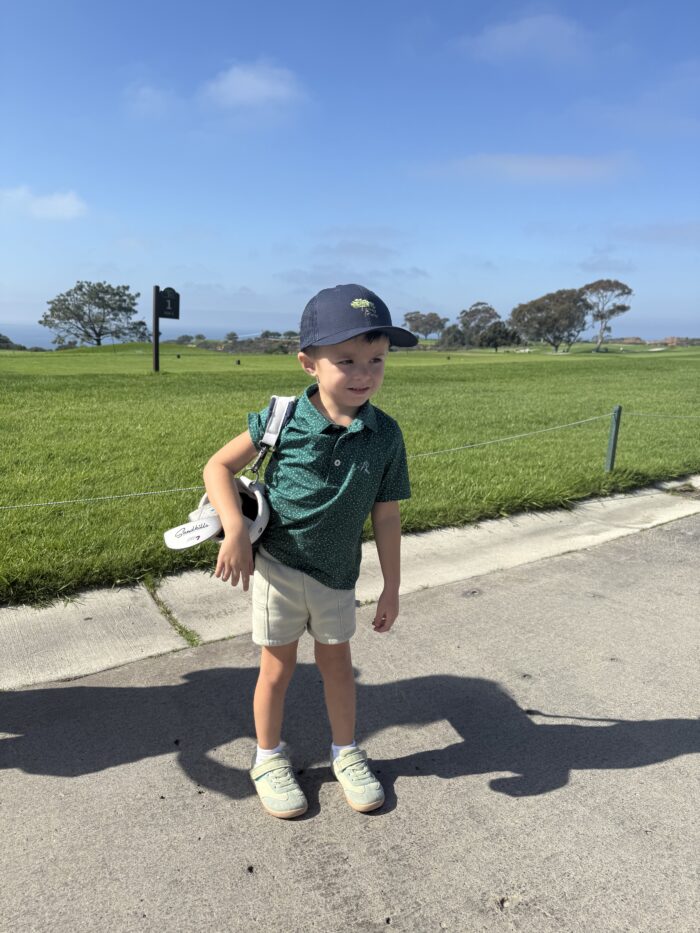
And maybe one day—if he wants—he’ll earn a golf scholarship and stay close to home. And if he leaves, we’ll probably follow. We’ll be his college roommates if we have to.
One moment. One life.
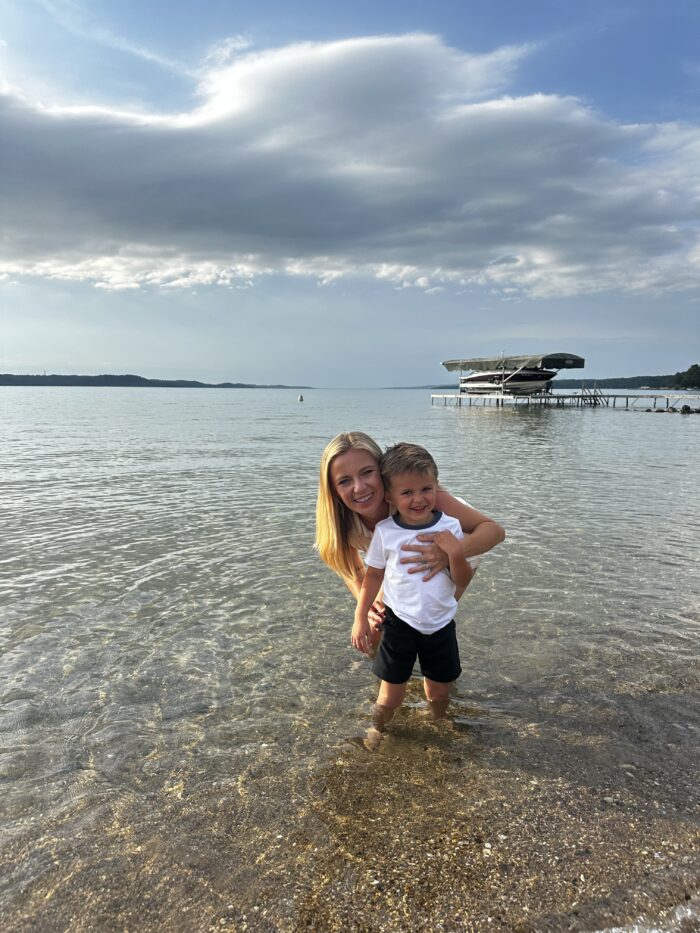
That single bite of pizza was a small moment.
But for us, it was a glimpse of a future we once weren’t sure he’d ever have.
And that means everything.