If you’ve seen human metapneumovirus — or HMPV — trending in the news lately, you’re not alone. In this post-pandemic era, many parents and caregivers remain on high alert when news of viruses appears repeatedly in their social media feeds or across news segments.
As a trusted partner for parents to lean on, our Rady Children’s Health team is here to provide you with the most accurate information and peace of mind.
We asked a pediatrician, Dr. Alexandra Gorab, at Rady Children’s Health (formerly CHOC) to answer the questions parents are asking most about HMPV.
What is human metapneumovirus, and how is it different from a cold or the flu?
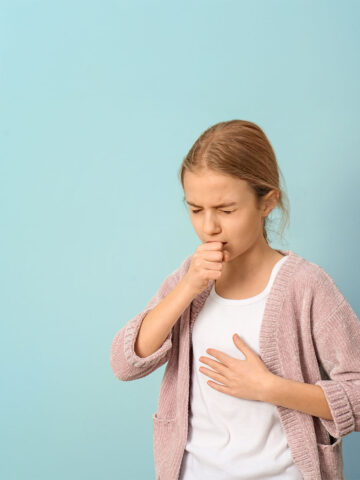
HMPV is a common, seasonal respiratory virus that affects the upper airways and lungs. It was first identified in 2001, which means it has been circulating in our communities for more than 20 years — it’s just getting more media attention right now.
HMPV belongs to the same viral family as RSV (Respiratory Syncytial Virus), which many parents are already familiar with. Like the flu, it tends to circulate during the winter and early spring. Depending on the child, HMPV can cause anything from a mild upper respiratory cold to more serious lower respiratory infections like bronchiolitis or pneumonia — similar to what we see with RSV and influenza.
How do I know if my child has HMPV? Will their doctor test for it?
Clinically, HMPV can look a lot like RSV, influenza, and other common respiratory viruses, making it difficult to distinguish without testing. For most healthy children seen in an outpatient setting, doctors don’t routinely test for HMPV — and that’s intentional. Testing for HMPV typically doesn’t change how a child is treated, so it’s not always necessary.
When a child is sick enough to be seen in an emergency room or requires hospitalization, HMPV is often included in a broader respiratory viral PCR panel that providers use to identify the specific virus at play.
How is HMPV treated in children?
There is no specific antiviral treatment for HMPV. Like other respiratory viruses, care is primarily supportive, meaning the goal is to keep your child comfortable while their body does the work of fighting off the infection.
At home, that typically looks like:
- Nasal saline and gentle suctioning to relieve congestion
- A humidifier to add moisture to the air
- Fever reducers like acetaminophen (Tylenol) or ibuprofen, as appropriate for your child’s age
- Plenty of fluids and rest
Children with more severe illness may need monitoring in a hospital setting, oxygen support, breathing treatments if they are wheezing, or antibiotics if a secondary infection like pneumonia or ear infection develops.
Are there long-term complications from HMPV, like there are with COVID-19 or RSV?
The good news is that most children recover from HMPV within three to seven days, though a lingering cough is common and can stick around for a few weeks. For the majority of healthy children, HMPV does not cause long-term complications.
Children who may be at higher risk for more serious illness include:
- Premature infants
- Infants under 1 year of age
- Children with chronic lung disease
- Children with weakened immune systems
If your child falls into one of these categories, it’s a good idea to be in closer contact with your pediatrician at the first sign of respiratory illness.
What symptoms should parents watch for?
The warning signs to watch for with HMPV are the same ones you’d look for with any respiratory illness:
- Difficulty breathing — fast breathing, flared nostrils, or the skin pulling in around the neck or ribs
- Signs of dehydration — no tears when crying, significantly fewer wet diapers, or very dark urine
- Very high fevers that don’t come down with fever-reducing medication
- Unusual lethargy — your child seems much more tired or difficult to wake than usual
When in doubt, trust your instincts and call your child’s pediatrician. You know your child best.
How can I prevent my family from getting HMPV?
Prevention looks a lot like it does for any respiratory virus:
- Wash hands frequently — this is your number one defense
- Keep sick children home from school or daycare until they are feeling better
- Avoid touching the face — eyes, nose, and mouth are entry points for the virus
There is currently no vaccine for HMPV.
The news about HMPV is making me anxious. What should I keep in mind?
Media coverage of viruses can be alarming, especially for parents. Here’s what’s important to remember: HMPV is not a new virus, and your child’s pediatrician has experience managing it.
For most healthy children, HMPV behaves very similarly to other common respiratory illnesses. Most kids recover uneventfully at home, and the warning signs to watch for are the same ones you’re already familiar with from cold and flu season.
If you’re worried, your pediatrician is your best resource — but don’t hesitate to call our nurse line any day, any time for free with questions you may have at 1-844-GETCHOC.
For more health information from the pediatric experts at Rady Children’s Health, sign up for the Kids Health newsletter. The guidance on this page has been clinically reviewed by Rady Children’s Health pediatric experts.
The contents of this page are for general information only and are not intended to substitute qualified professional or medical advice, diagnoses, or treatments. Always call your physician or another qualified health provider if you have any questions about your child’s health.