Medical insights from an interview with Dr. Eric Ball, pediatrician at Rady Children’s Health
Keeping kids safe from norovirus
Stomach bugs are never fun, and winter often brings more cases for Southern California families. Norovirus, sometimes called the “winter vomiting disease,” can spread easily in homes, schools and child care settings.
“We see a fair number of kids every winter,” Dr.Ball says. “Many come in because of dehydration. They’re vomiting so much and have such bad diarrhea that they can’t keep up with their intake, and sometimes need medication to help slow down their vomiting.”
He advises parents to prioritize keeping children hydrated, recommending water or oral electrolyte solutions to promote recovery.
What is norovirus?
Norovirus is a very contagious virus and one of the most common causes of vomiting and diarrhea in children. It is often called the “stomach flu,” but it is not related to influenza.
Norovirus infects the stomach and intestines, causing sudden vomiting, diarrhea and stomach pain. Most children recover within a few days, but babies and young children can become dehydrated quickly, which may require medical care.
Why are norovirus outbreaks common in preschools and childcare settings?
Dr. Ball notes that young children are particularly vulnerable because they are in frequent close contact and rarely wash their hands properly. Outbreaks also tend to increase during the cooler months, when families spend more time indoors.
What are the symptoms of norovirus in children?
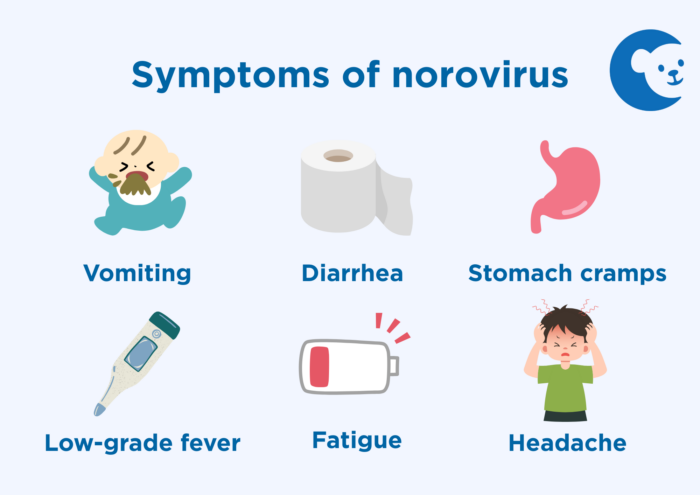
Symptoms usually begin 12 to 48 hours after exposure and may include:
- sudden vomiting
- watery diarrhea
- stomach cramps or abdominal pain
- nausea
- low-grade fever
- headache or body aches
- fatigue
How do children get norovirus?
Norovirus spreads through:
- close contact with someone who is sick
- touching contaminated surfaces and then touching the mouth
- eating or drinking contaminated food or water
Because only a small amount of the virus is needed to cause infection, outbreaks can happen quickly in households, schools and childcare settings across Southern California.
How can parents help prevent norovirus?
There is no vaccine for norovirus, so prevention depends on good hygiene. Children and adults should wash their hands frequently with soap and water, especially after using the bathroom, changing diapers, and before eating or preparing food.
Hand sanitizer is less effective against norovirus.
Parents can also help by:
- cleaning and disinfecting surfaces with a bleach-based cleaner
- washing fruits and vegetables thoroughly
- keeping sick children home and away from others

How contagious is norovirus?
Norovirus is extremely contagious. Children can spread the virus while they are sick and for several days after symptoms stop. Keeping children home for at least 48 hours after vomiting and diarrhea have resolved can help prevent spreading the virus to classmates, teachers and caregivers.
How is norovirus treated?
There is no medication that cures norovirus. Treatment focuses on supportive care while the body clears the virus.
Repeated vomiting and diarrhea can make it hard for children to stay hydrated. Some children may need anti-nausea medication, and in more severe cases, intravenous fluids might be required.
Antibiotics do not treat norovirus because it is a viral infection.
What should parents focus on at home?
Hydration is the most important part of recovery.
Dr. Ball recommends focusing on fluids rather than food. Water and oral electrolyte solutions are best. Small, frequent sips are often easier for children to tolerate than larger amounts at one time.
How does norovirus affect the body?
Norovirus causes inflammation of the stomach and intestines, leading to vomiting, diarrhea and rapid fluid loss.
Dehydration is the most common complication, especially in infants and young children.
What are the warning signs of dehydration?
Parents should contact a health care provider if a child shows signs of dehydration, including:
- lethargy or unusual sleepiness
- decreased urination or fewer wet diapers
- dry mouth, lips or eyes
- little or no tears when crying
How can families help stop norovirus from spreading at home?
To help reduce the spread of norovirus:
- keep children home until at least 48 hours after symptoms stop
- wash hands often with soap and water
- disinfect bathrooms, toys and frequently touched surfaces
- wash contaminated clothing and bedding in hot water
- avoid preparing food for others while sick and for two days after recovery
When should parents seek medical care?
Parents should seek medical care if a child:
- cannot keep fluids down
- shows signs of dehydration
- has vomiting or diarrhea lasting more than three days
- has severe abdominal pain or a high fever
- seems unusually drowsy, confused or difficult to wake
Infants, children with chronic medical conditions and children with weakened immune systems may need care sooner.
Helping children recover from norovirus
Most children recover with rest and fluids. Encourage frequent small drinks, allow plenty of rest and slowly reintroduce foods as tolerated.
Avoid anti-diarrheal medications unless directed by a health care provider.
For more health and wellness resources from the pediatric experts at CHOC, sign up for the Kids Health newsletter.
Find a CHOC Primary Care Pediatrician
From babies to teens, pediatricians from CHOC’s Primary Care Network partner with parents to offer immunizations, sick visits, sports physicals and more.