By Kristin Feiler, culinary medicine dietitian at Rady Children’s Hospital Orange County (Rady Children’s)
New Year’s resolutions for kids and families made simple
The New Year offers families a natural opportunity to reset routines and build habits that support energy, digestion, learning and overall well-being. Culinary medicine focuses on practical, realistic strategies that help children feel comfortable in their bodies while developing lifelong skills around food. Small, consistent habits can make a meaningful difference over time.
These resolutions are designed for use at home, in schools, or during clinic visits and emphasize flexibility, confidence and skill building rather than rigid rules.
1. Build a balanced plate on busy days
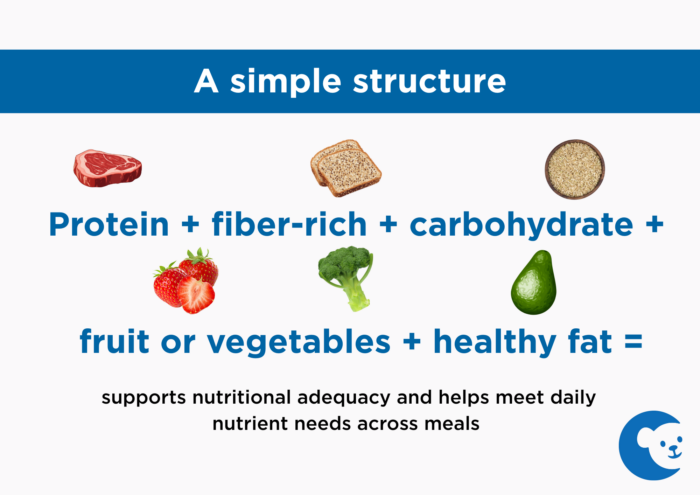
Balanced eating does not need to be complicated. A simple structure: protein + fiber-rich carbohydrate + fruit or vegetables + healthy fat = supports nutritional adequacy and helps meet daily nutrient needs across meals. Over time, balanced meals are associated with more stable energy levels and digestive comfort.
On busy evenings, this might look like:
- Frozen vegetables added to pasta
- Rotisserie chicken paired with microwavable rice
- Fruit added to breakfast
- Yogurt, granola, and berries for a quick snack
Providing regular access to nutrient rich foods and allowing children to participate in food choices is associated with improved diet quality and greater confidence around eating.
2. Enjoy 15 minutes of uninterrupted family mealtime
Even brief, device free family meals support positive mealtime routines. Regular family meals are associated with healthier dietary patterns and improved emotional and behavioral outcomes in children. Predictable routines can also reduce mealtime stress and encourage children to pay attention to hunger and fullness cues.
Families can set a short timer, remove screens, and focus on conversation or simple gratitude moments. The goal is not long meals, but consistent connection.
3. Cook together once a week
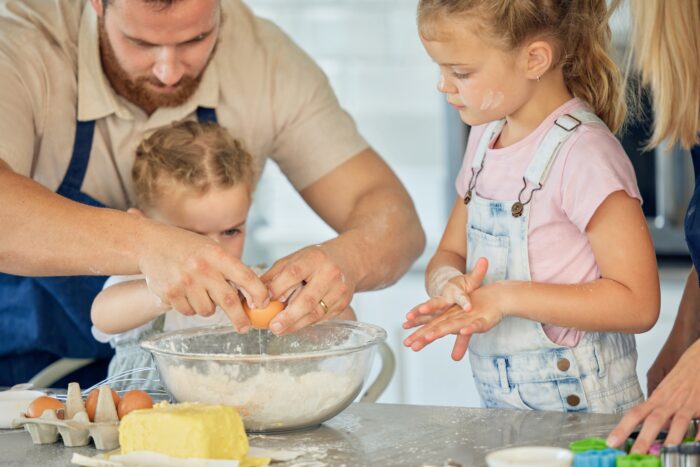
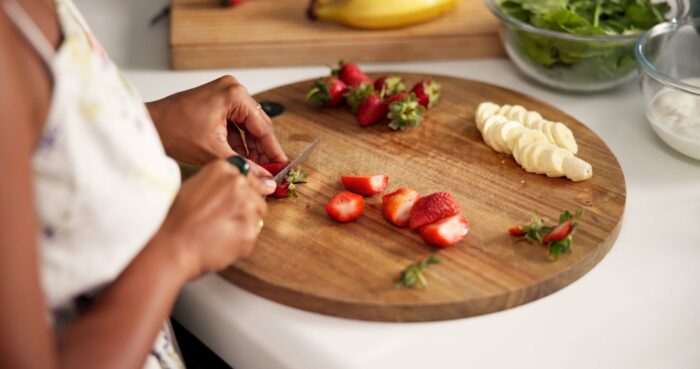
Children who participate in meal preparation are more willing to try new foods, including vegetables. Hands-on cooking experience and connection with loved ones in the kitchen builds culinary confidence, curiosity, and food skills, even when participation is brief or age appropriate.
Children can:
- Stir ingredients
- Rinse produce
- Sprinkle toppings
- Assemble build-your-own bowls
- Portion snacks for the week
Repeated, positive exposure through cooking is associated with greater long-term acceptance of foods and reduced picky eating behaviors.
4. Learn one new cooking method to make healthy eating faster
Learning a single new cooking method can make healthy meals more accessible and less time-consuming. Families may choose one approach to practice:
- Sheet-pan roasting (minimal dishes, hands-off cooking)
- Air frying (faster cook times, less added fat)
- Steam-in-bag vegetables (quick, consistent results)
- Pressure cooking (efficient for beans, soups, and proteins)
The focus is not mastering advanced techniques but identifying methods that fit real-life schedules and reduce barriers to home cooking.
5. Prep one snack or meal item each week
When families are tired or rushed, food choices are often influenced by what is readily available. Preparing just one item per week can support healthier default options.
Examples include:
- Pre-cut fruit or vegetable snack packs (healthy dip optional)
- Cooked shredded chicken or quinoa
- Single serve yogurt
- Ready-to-assemble instant noodle cups (check out our recipe here)
6. Include hydration at every meal
Adequate hydration supports normal digestion, bowel regularity, and overall physiological function. A simple goal is to include water or another hydrating beverage with each meal.
Options may include:
- Water
- Fruit-infused water
- Warm herbal teas
- Low-sodium broth
- Healthy Popsicles
7. Choose a “color of the week” to explore
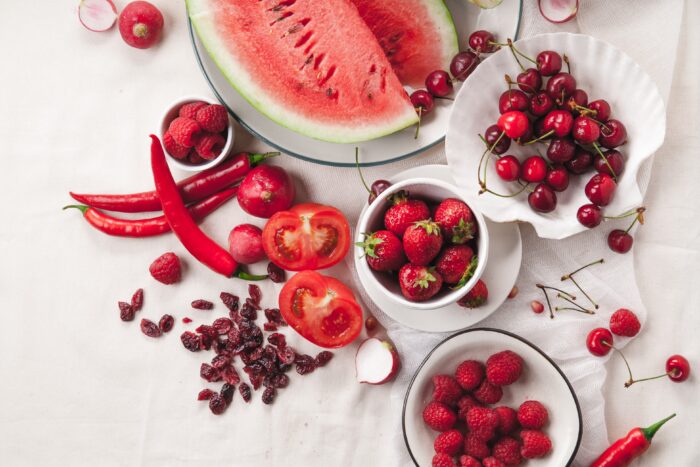
To encourage variety without pressure, families can choose one food color each week: green, orange, red, purple, or yellow to explore together. This approach promotes exposure to a range of fruits and vegetables while keeping expectations manageable.
A family “try-it bite,” where everyone participates, supports repeated exposure, which is associated with increased acceptance of new foods over time.
8. Make one build-your-own meal each month
Build-your-own meals such as tacos, bowls, noodle cups, snack plates, or salads will allow children to make choices within a structured framework. Autonomy at mealtimes is associated with greater willingness to taste unfamiliar foods and improved engagement with eating.
These meals support skill building while maintaining nutritional balance.
New Year’s resolutions for kids and families that last
Healthy habits in childhood do not require complicated recipes or rigid food rules. When families focus on balanced meals, hydration, connection, hands-on cooking, and simple preparation strategies, children develop skills that support long-term health and confidence around food. Small, consistent changes can meaningfully support comfort, routine, and wellbeing over time.
Learn more about our integrative health and culinary medicine program
We are leading the way in pediatric integrative health — including culinary medicine — to advance healing, wellness, and nutrition-based therapies through clinical excellence, research, and education.
Further reading
- Sharkey JR, Smith A. Cooking with the Seasons for Health (CwS4H): An innovative intervention linking nutrition education, cooking skills, and locally grown produce to increase vegetable intake among limited-resource parent–child dyads. Nutrients. 2023;15(22):4851. doi:10.3390/nu15224851
- Policastro P, Brown AH, Comollo E. Healthy Helpers: Culinary lessons improve children’s culinary literacy and self-efficacy to cook. Front Public Health. 2023;11:1156716. doi:10.3389/fpubh.2023.1156716
- Muzaffar H, Guenther E, Bosse O, Nii-Aponsah H. Effectiveness of gardening-only, cooking-only, and combined cooking and gardening programs in elementary schools to improve fruit and vegetable intake: A systematic review. Nutrients. 2023;15(13):3008. doi:10.3390/nu15133008
- Ng CM, Kaur S, Koo HC, Mukhtar F, Yim HS. Culinary nutrition education improves home food availability and psychosocial factors related to healthy meal preparation among children. J Nutr Educ Behav. 2022;54(2):100–108. doi:10.1016/j.jneb.2021.04.006
- U.S. Department of Agriculture and U.S. Department of Health and Human Services. Dietary Guidelines for Americans, 2020–2025. 9th ed. Available at: https://www.dietaryguidelines.gov
- Hammons AJ, Fiese BH. Is frequency of shared family meals related to the nutritional health of children and adolescents? Pediatrics. 2011;127(6):e1565–e1574. doi:10.1542/peds.2010-1440
- Nekitsing C, Blundell-Birtill P, Cockroft JE, Hetherington MM. Systematic review and meta-analysis of strategies to increase vegetable consumption in children. Appetite. 2018;120:84–91. doi:10.1016/j.appet.2017.08.011